

Creating a positive environment in your space isn’t about buying a bunch of candles and calling it self-care. At least that’s what I used to think.
For years I figured my mood was something that happened to me, not something I had any real say in. I’d wake up anxious and blame the day ahead before I’d even gotten out of bed.
I never once looked around my actual bedroom to notice the pile of laundry in the corner, the harsh overhead light I never turned off, the dust on the windowsill, or the fact that I hadn’t opened a window in a week.
You have to know though that your space talks to you before you even realize you’re listening. And once I started paying attention to what mine was saying, everything shifted.
Let me show you what actually works, not the Pinterest-perfect version, the real one.
Why Does Your Physical Space Affect Your Mindset So Much?
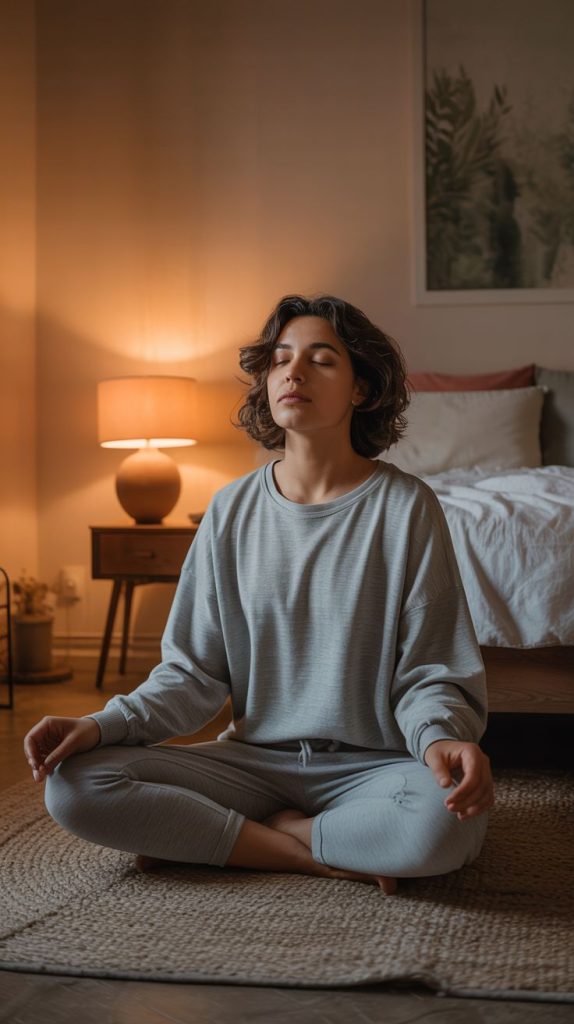
Your physical space affects your mindset because your nervous system is reading it constantly, whether you’re consciously aware of it or not.
Clutter and harsh lighting register as low-grade stress signals, even when you think you’ve tuned them out. So does the general chaos of a room that never quite feels finished.
I used to think staying positive was only about self-talk, until learning how to stay positive when everything feels like it’s falling apart taught me your surroundings carry real weight too. You can’t mindset your way out of a room that’s working against you.
I didn’t believe this until I tested it myself. I spent one weekend clearing off my desk and nightstand, nothing dramatic, just clear surfaces and a plant. The difference in how calm I felt sitting down to work was almost embarrassing given how little effort it took.
This is where mindfulness comes in. When you slow down enough to actually notice your space instead of just existing in it, you start making choices that support wellness design instead of undermining it. You stop treating your home like background noise.
Positive energy isn’t some vague spiritual concept either. It’s the practical result of a space that supports how you want to feel instead of fighting against it. Harmony between your environment and your mental state is something you can build on purpose.
Where Do You Even Start With Decluttering and Space Organization?
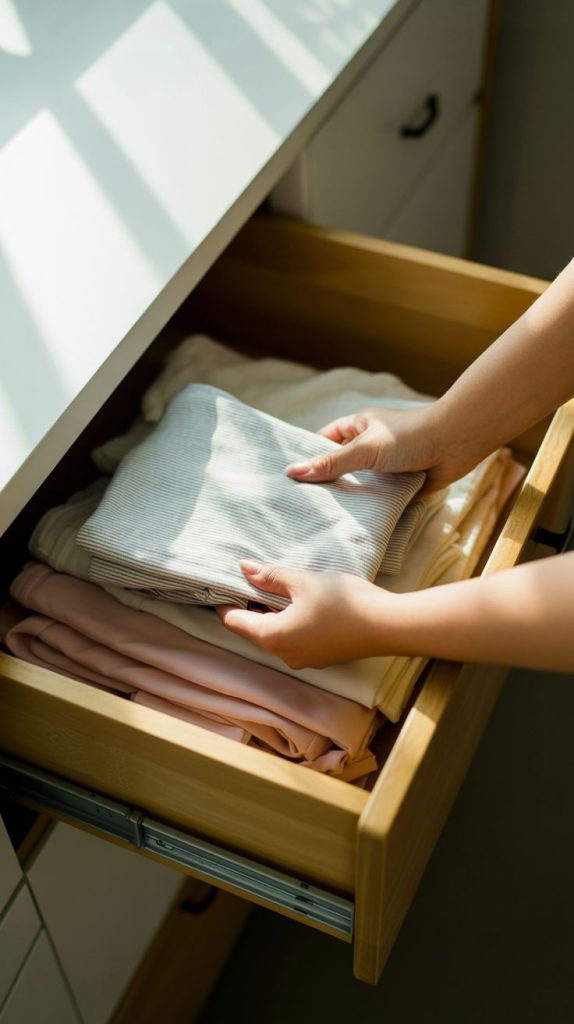
You start with decluttering by picking one small area, not your entire house, because trying to fix everything at once is how most people quit before they see results.
My first attempt at a full home declutter lasted about four hours before I gave up, overwhelmed, surrounded by piles that made everything look worse than before I started. So I scaled down. One drawer. One shelf. One corner of one room.
Space organization isn’t about owning fewer things for the sake of some minimalism trend. It’s about making sure everything you keep actually has a place, so your eyes and your brain aren’t constantly scanning for what’s out of order.
Looking at a cluttered corner as a fresh start instead of a failure is basically reframing a challenge as an opportunity applied to your living room. The mess isn’t proof you’ve fallen behind. It’s simply the starting point.
Cleanliness plays into this more than people expect. A space that’s tidy but dusty or grimy still feels unsettled. Wipe down surfaces while you’re organizing. Open a window. Let the room breathe along with you.
Start small, finish that one space completely, and let the visible win build momentum for the next one.
How Much Do Natural Light and Mood Lighting Actually Matter?
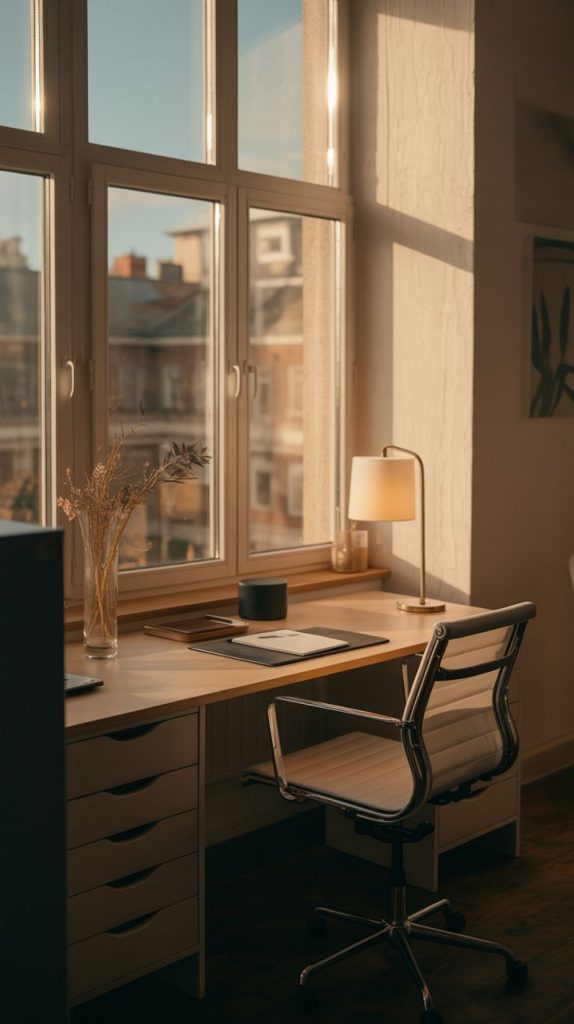
Natural light matters more than almost any other single factor in how a room feels, because your body genuinely responds to it on a biological level, not merely an aesthetic one.
I moved my desk from a windowless corner to right next to my one good window, and I noticed the change within days. Mornings felt less foggy. I wasn’t reaching for caffeine out of desperation by ten a.m.
Opening your curtains the moment you get up is a small addition to any morning mindset ritual you’re already building. Light is doing more work in that routine than most people realize.
If natural light is limited in your space, mood lighting becomes your backup plan. Swap harsh overhead bulbs for warm-toned lamps. Layer your lighting instead of relying on one bright source that floods the whole room with the kind of glow that belongs in an office building, not your home.
Air quality ties into this too. Crack a window when you can, especially in a room that gets a lot of natural light, since sealed-up spaces trap stale air along with stale energy.
Once you notice how much lighting changes your mood, you’ll stop treating it as decoration and start treating it as maintenance.
Can Indoor Plants and Biophilic Design Really Change How You Feel?
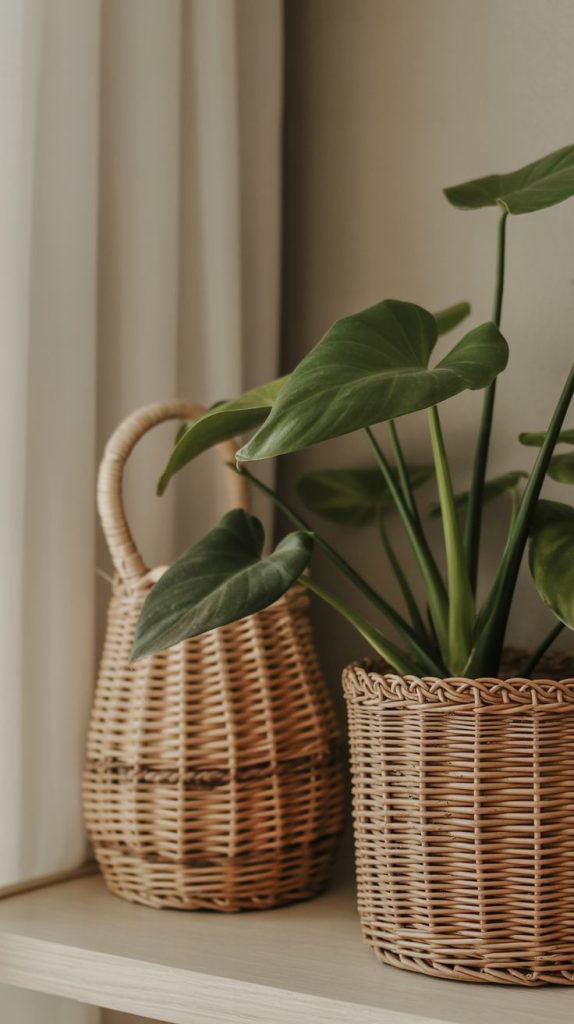
Indoor plants really do change how a space feels, and it’s not only because they look nice. Bringing living things into your environment triggers something in you that concrete and drywall simply can’t.
I’m not a natural plant person. I’ve killed more succulents than I want to admit. But even one low-maintenance plant on my desk gave the whole room a sense of life it was missing before.
This falls under what’s called biophilic design, which is basically a fancy phrase for reconnecting your indoor space with elements of the natural world. Wood textures, plants, natural materials like stone or rattan, even the sound of water, can all contribute to this.
Comfort is as important here as much as visuals are. A plant you’re anxious about killing isn’t adding calm to your life, it’s adding one more task to your mental list. Pick low-maintenance options if you’re new to this, and let the plant do its job without becoming another source of pressure.
What Role Do Feng Shui and Color Psychology Play in a Positive Space?
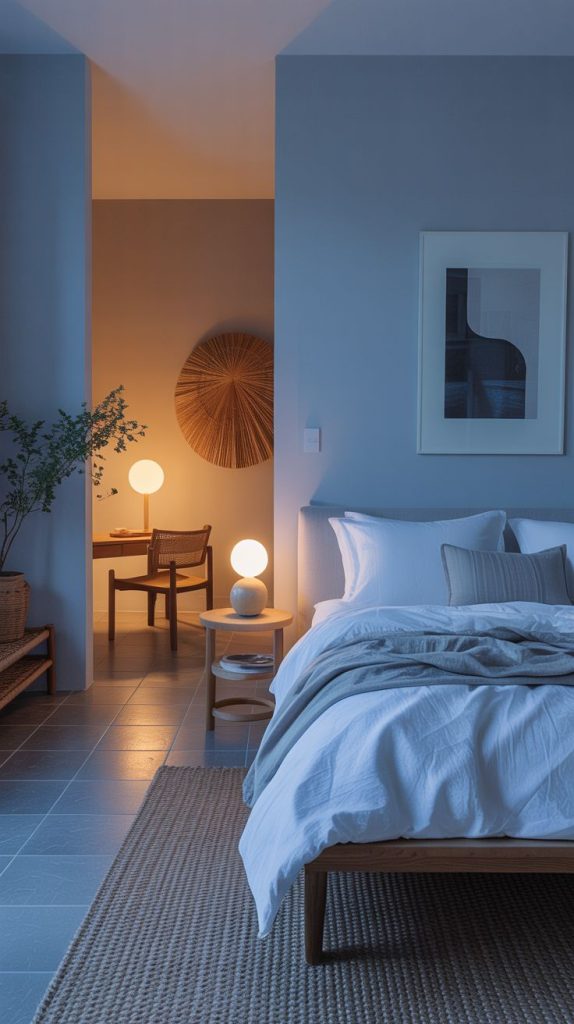
Feng shui plays a role by encouraging you to think about flow, where energy and movement can travel freely through a room instead of getting blocked by furniture crammed against every wall.
You don’t need to become an expert to benefit from this. Simple shifts, like making sure your bed isn’t directly in line with your bedroom door, or that you’re not constantly bumping into furniture on your way through a room, can make a space feel more settled without you fully understanding why.
Color psychology works alongside this. Soft blues and greens tend to feel calming, while warm neutrals feel more grounding than exciting. Bright, saturated colors are a different story entirely. They energize a space, which works wonderfully in a home office and far less wonderfully in a bedroom where you’re trying to wind down.
Harmony between these choices, rather than trying to nail every rule perfectly, is what actually creates the shift. Always be paying attention to how a space makes you feel and adjust from there.
How Do Aromatherapy and Soundscaping Add to the Atmosphere?
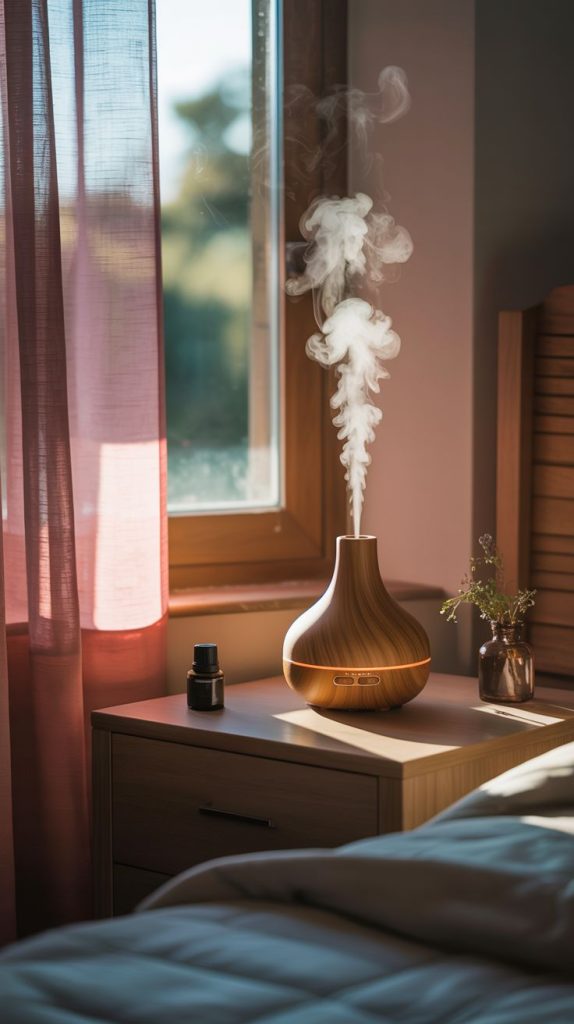
Aromatherapy adds to the atmosphere by giving your brain a sensory cue that it’s safe to relax, since scent is tied directly to memory and emotion in a way visuals alone aren’t.
A simple diffuser with lavender or something citrus-based can shift the entire feel of a room within minutes. I keep one in my workspace specifically because it signals to my brain that it’s time to focus, the same way a certain playlist tells my brain it’s time to unwind.
That’s where soundscaping comes in too. Silence isn’t always calming. Sometimes it’s simply empty. Soft background sounds, whether that’s music playing low, white noise, a fan humming steadily, or birdsong drifting in through an open window, add texture to a space without adding chaos.
Comfort ties all of this together. None of these additions should feel like one more chore. They should feel like small, sensory upgrades that make the room easier to exist in.
So How Do You Start Creating a Positive Environment In Your Space Today?
You start creating a positive environment in your space by picking one thing from everything above and doing it this week, not eventually, not when things calm down.
Maybe that’s clearing your nightstand. Maybe it’s finally hanging that curtain so morning light can actually get in.
Personalization matters here more than following any rule perfectly. Your space should reflect what genuinely makes you feel good, not what looks good on someone else’s feed.
Ergonomics deserves a mention too, especially if you’re spending hours at a desk. Comfort in how your body sits and moves through your space is every bit as important as how the space looks.
A beautiful room that leaves your neck and back aching by evening isn’t supporting your wellness, it’s working against it.
Wellness design, at its core, is exactly this. Small, intentional choices stacked on top of each other until your environment starts working for you instead of against you.
You don’t need a full renovation or a weekend of frantic Pinterest boarding. You need one small shift this week, and then another one next week. That’s genuinely how creating a positive environment in your space becomes something that lasts.
FAQs
How long does it take to notice a difference after making changes to your space?
Most people notice a shift within a few days of even one small change, like clearing a surface or adding natural light, though the full effect builds over several weeks of consistent small adjustments.
Do I need to spend a lot of money to create a positive environment at home?
No. Some of the most effective changes, like decluttering, opening windows, or rearranging furniture for better flow, cost nothing at all.
What’s the single best place to start if my whole home feels overwhelming?
Pick the room you spend the most time in and start with one surface, like a desk or nightstand, rather than trying to tackle the entire space at once.
Can a small apartment or single room still benefit from these ideas?
Absolutely. Everything here, from lighting to plants to decluttering, scales down easily and often matters even more in a smaller footprint where every choice has a bigger impact.
Is it normal to feel resistant to decluttering, even when I know it will help?
Yes, and it usually comes from attaching emotional weight to belongings rather than the physical clutter itself, which is why starting small and building momentum matters so much.
How do I keep a positive environment once I’ve created one?
Treat it as light ongoing maintenance rather than a one-time project. A few minutes of tidying and airing out your space regularly keeps the effect going far longer than a single deep clean ever could.